Art is more than decoration: it gathers stance, history and real value. This article shows how contemporary works can hold capital over the long term – without losing the magic of art.
Between Emotion and Strategy
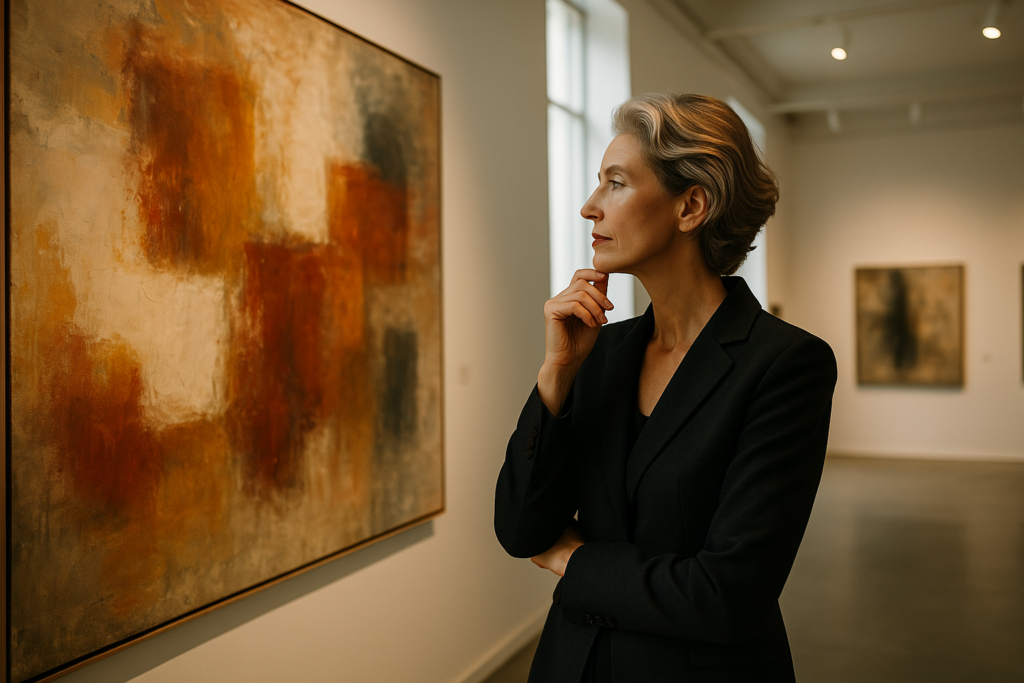
The beginning rarely has anything to do with numbers. It starts in front of a picture that triggers something. This “something” – resonance, friction, calm – is not a classic investment criterion, but it explains why art can give back more than a return. The second level is strategy: understanding how markets work, how value is formed and how risks are managed.
Investing in art is not a sprint. Collectors invest in people and ideas – and therefore in time. Value grows when an artistic position grows: through consistent work, exhibitions, publications and acquisitions by collections. Contemporary works are especially exciting here, because their “narrative” is still being written, leaving room for development.
A Market in Transition
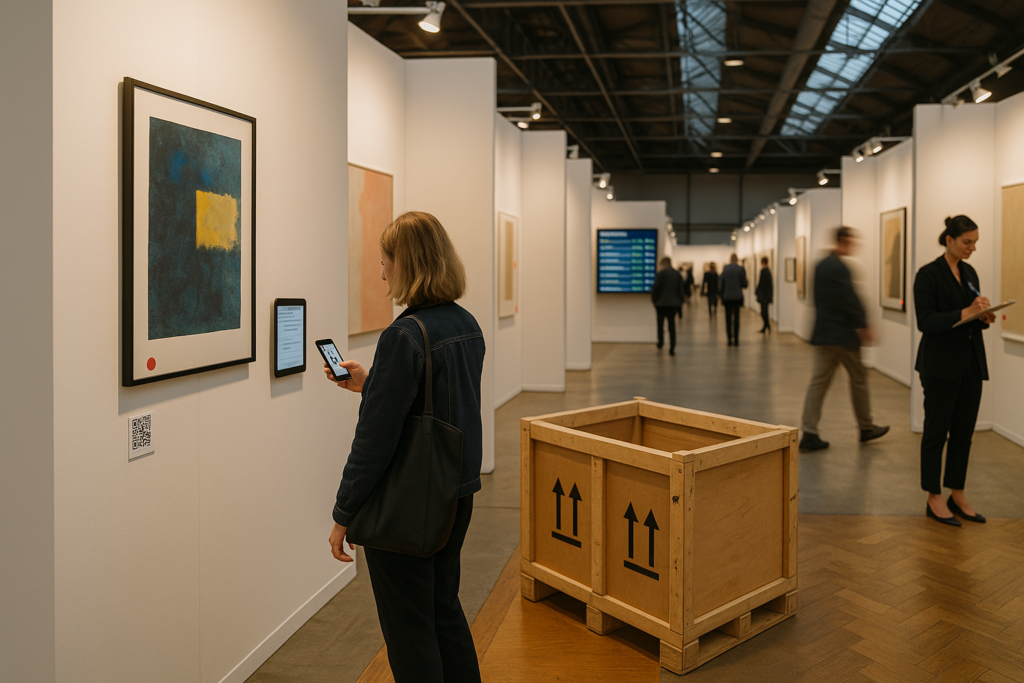
The art market has professionalized and opened up. Where auction catalogs and networks once dominated, digital platforms, data and new technologies now create broader access. The result: more transparency and better comparability – but also more responsibility.
Provenance is examined more closely, condition reports have become standard even in the middle price range, and editions are declared more clearly. Sustainability and compliance (such as anti-money-laundering rules) further sharpen awareness of clean processes. Online galleries and curatorial platforms make collecting independent of location – and yet seeing a work in person remains indispensable: light, hanging and materiality are different live than on a screen.
On curated sites like Favori Art, this change becomes visible: works are placed in context, origins and editions are made traceable, and collectors find insights that go beyond price lists. It is exactly this combination of context and access that defines the “new” market: less exclusive, but clearer and more conscious.
What Determines Value
Artistic substance & career path.
Does the work matter in the discourse? Is the signature distinctive, the development comprehensible? A work gains when the artist works reliably and stays visible – in projects, publications and exhibitions.
Visibility & institutions.
A painting that has been shown in reputable institutions carries reference and public recognition. Catalog texts, reviews and acquisitions by collections are more than labels – they are signals to the market.
Scarcity & edition policy.
Originals behave differently from editions. Limited, clearly documented editions are collectible; overly generous editions often dilute the dynamic. Transparency is key: edition size, variants, printing technique, signature, catalogue raisonné numbers.
Condition & material.
Pigments, binders, supports, frames, previous restorations – all of these affect value. A conservation-grade condition, ideally documented, preserves capital.
Provenance & documentation.
A work’s history of ownership is its safety line. Who owned it, and when? Where was it exhibited? Are there invoices, loan agreements, certificates, catalogue raisonné numbers? Gaps are not automatically disqualifying – but they must be explained. Digital certificates and complete records reduce risk.
Primary vs. secondary market.
The primary market (directly from the gallery or artist) often offers more moderate entry prices and “fresh” works. The secondary market (auctions, transfers between collectors) provides comparative data and visibility – but also fees, competition and volatility. Both can make sense, depending on your goal.
Returns with a Stance
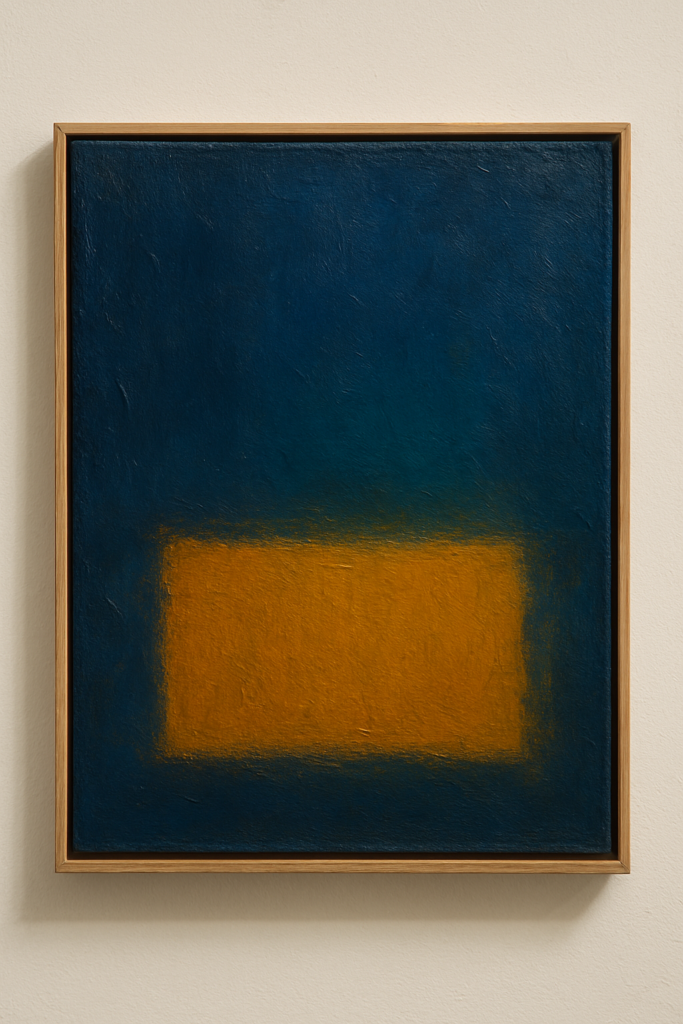
Art can stabilize and diversify portfolios – and make you happy. But it is not a savings account. It is less liquid, comes with additional costs (transport, insurance, storage, framing) and follows cycles. Anyone who sees art as capital plans for the long term (typically several years), avoids impulse purchases and defines goals: holding period, budget, exit options.
In art, “return” means value in several dimensions: aesthetic gain in everyday life, cultural substance – and the chance of financial gain when artists develop. A clear stance is not a luxury but a strategy: fair dealings with artists, transparent processes and responsible materials are factors that today act as a seal of quality and build trust.
The Art of the Right Decision
Look, read, talk.
Art fairs, studios, galleries. Catalogs, interviews, reviews. Conversations with curators, conservators and collectors. The better the context, the more confident the decision.
From broad to focused.
First clarify your fields of interest (e.g. figurative vs. abstract, photography vs. painting, regional scenes), then narrow down the artists, and finally compare works. Quality shows in consistency – not in a single “wow” moment.
Ask for documents – without hesitation.
Provenance list, condition report, edition details and, where applicable, the catalogue raisonné number. Reputable sellers provide these proactively. For originals, a short conservation check is worthwhile, especially for older works or mixed materials.
Use the primary market deliberately.
Buying early means accompanying an artist – with all the opportunities and risks. What matters: the gallery’s long-term direction, clear communication and realistic price development.
Approach the secondary market with a plan.
Auctions send price signals. But fees, bidding dynamics and timing need to be understood. If you buy there, calculate the “all-in costs” in advance and set a limit you will not exceed.
Quiet but helpful: curatorial guidance.
Curating platforms like Favori Art or experienced advisors can condense shortlists, show comparable works, simulate presentations (“How does this look in a room with a 4-meter ceiling?”) and help organize your documents – without replacing your own eye.
Conclusion: Art Remains, Markets Change
Seeing art as capital does not mean stripping it of its magic. It means recognizing its value holistically – emotionally, culturally, economically. In an age that accelerates so much, works with substance endure. They stay with us – and they can grow.
Collecting consciously means investing twice: in the present of your own perception and in a future that rewards permanence. The path there is practice: look, understand, document, decide – calmly. Everything else is noise.
Want to see examples?
Discover curated artist profiles and in-depth features in the magazine and the gallery of Favori Art.
This article is for general information only and is not financial or investment advice.